


Dreamcast prototypes (not only) available for download
A GD-R refers to recordable discs used for Dreamcast-format prototypes. This designation appears on the left or right side of the disc (short for GIGABYTE DISC RECORDABLE). Most GD-Rs are orange in color. Some are blue and bear the “Katana” label, which was the Dreamcast’s codename. The data surface on these discs is blue, which provides a reliable method of authentication. As GD-Rs are recordable rather than pressed media, they are more susceptible to degradation and disc rot than commercially manufactured retail discs.
Common stages of video game development
Tech Demo: A basic demonstration intended to present the core concept of a game, such as a single level, mechanic, or environment.
Vectical Slice: A representative segment of gameplay, typically around ten minutes long, designed to demonstrate the full potential of a title. Producing a Vertical Slice is costly—approximately €100,000—because it is polished to near-final quality. It is primarily used to secure funding and attract a publisher.
Alpha: An early development build showing measurable progress. The game is usually playable, though often incomplete and unrefined.
Beta: All planned content is implemented, but the game requires optimization and stabilization. This phase focuses on bug detection and fixing (beta testing).
Release Candidate: Following beta testing, the build is submitted for manufacturer approval. If it fails certification, it is returned for corrections. Multiple release candidates (RC1, RC2, RC3, etc.) may be produced until approval is obtained. Reaching later RC stages is uncommon, as it significantly increases the risk of delaying the game’s release.
Preview: A stable build with only minor differences from the final version. Developers perform final adjustments before launch. This version is intended for external presentation and is generally based on a beta build or a limited beta variant. Journalists use these builds for preview coverage.
Review: A near-final build with only minor outstanding issues. It may be identical to a release candidate. This version is provided to journalists for full reviews.
Final: The completed commercial version of the game as released to the public.
This page documents approximately 300 Dreamcast prototypes, along with a small number from other consoles. The collection includes a wide range of builds, such as Unreleased, Previews, Reviews, Vertical Slices, Proof of Concept and Tech Demos. The most significant prototypes are accompanied by dedicated pages offering detailed analysis and historical context for the corresponding games.
Lost and Unreleased Dreamcast Games


The Secret Treasures of Sonic Prototypes


The Secret Treasures of Shenmue Prototypes


Prototypes Showcased at Gaming Events


Inside the Debug Menus of Game Prototypes


.png)


Prototypes Featuring Development Tools and Hidden Functions


.jpg)


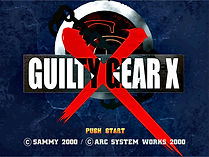
Game Prototypes with Striking and Unexpected Differences


.jpg)


Demo and Promotional GD‑Rom Prototypes


%20Cover.jpg)
%20disc.jpg)
.jpg)

Prototypes Without Distinct Characteristics

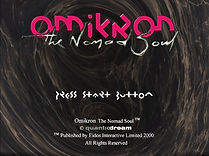
Prototypes of Unofficial Dreamcast Ports (Proof of Concept)

%20Dreamcast.jpg)
Game Development Archives: Assets, Artworks & Documents




Acclaim Prototypes Without Category


The Dreamcast game prototypes published by Acclaim Entertainment come from a specific preservation project dedicated to this American publisher, comprising approximately 44 betas and 18 White Label discs (white GD-ROMs): [Duffy’s Dreamcast Collection]
Visual Concepts Prototypes Without Category


The Dreamcast game prototypes developed by Visual Concepts come from a dedicated preservation project focused on the California-based development studio, comprising approximately 25 beta builds: [The Rise of Visual Concepts in the SEGA Era: Prototypes and Behind the Scenes of the Making of Their Dreamcast Classics]
Modified Final Build Prototypes

